

Discover what Your Home Insurance Covers When Building a Cottage Shed or Greenhouse
Many people dream of having a charming garden shed or their very own greenhouse to complement their property. Whether you want a glass-paned sanctuary for nurturing delicate seedlings or love the idea of a rustic wooden structure nestled among your flower beds, it’s a smart investment and a lovely addition to your property. Before you go ahead and build your new garden shed, though, it’s vital to consider whether your current home insurance will cover the new structure.
Understanding Buildings Insurance and Permanent Structures
When you opt for a homeowner’s insurance plan, you get some level of coverage under “dwelling coverage” or “buildings insurance”. The thing is that permanent structures like sheds and greenhouses fall under the category of “outbuildings”.
In most cases, standard homeowner’s insurance policies offer some type of coverage for these types of buildings. However, the specifics of what actually qualifies as coverage may vary based on your insurance provider and the type of plan you have. That’s why it’s vital to contact professional local insurance companies, such as The Ostic Group Insurance, where you can find professionals who know their stuff when it comes to homeowner insurance.
Being matched with the right insurance company can save you from a lot of trouble when you eventually make a claim after something unexpected happens. The difference between what you think is covered and what really is covered can be huge, so it’s important to have a straight talk with your insurance representative before you go and invest in permanent outdoor structures
Know Exactly What Gets Covered
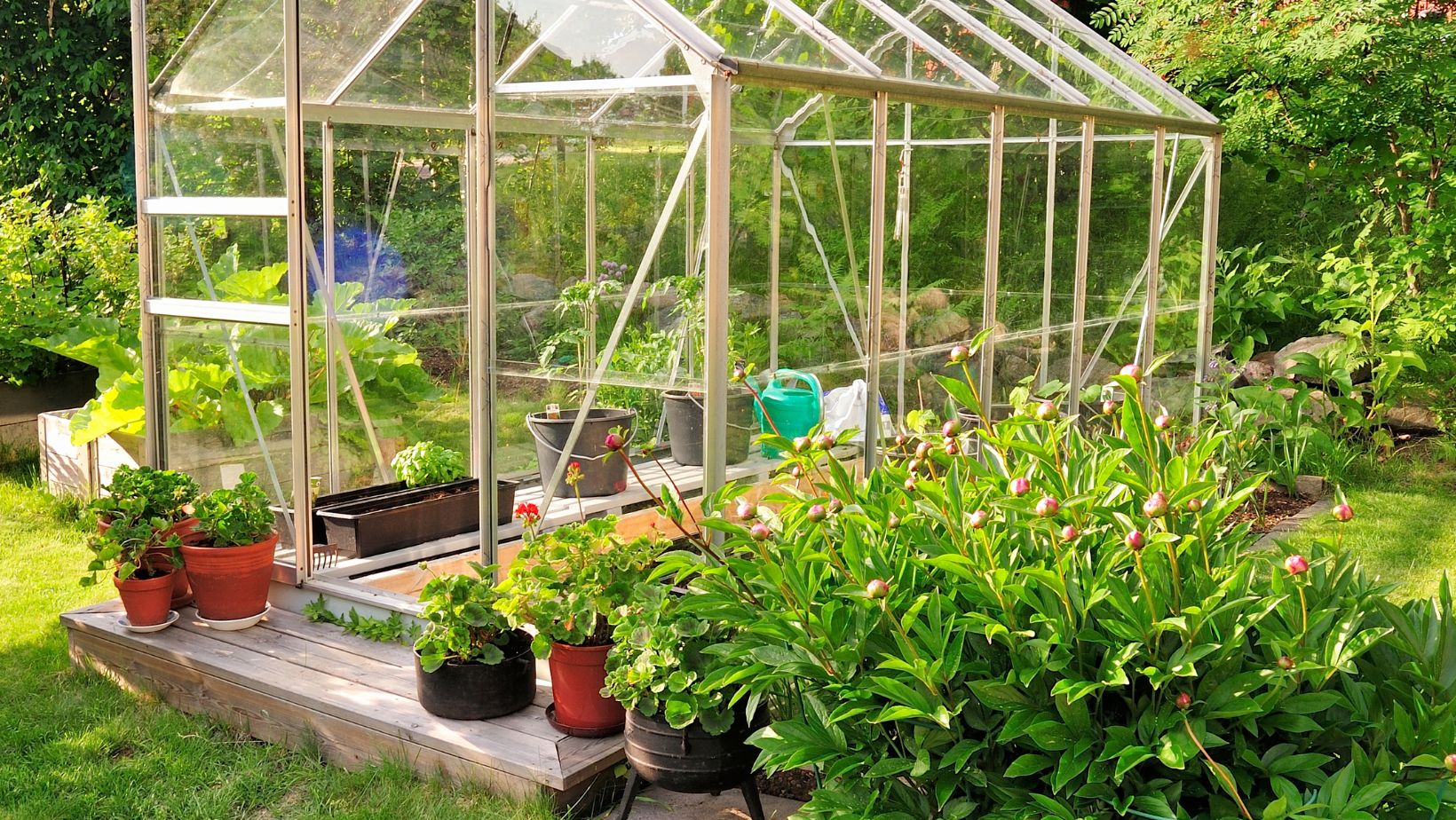
When learning what’s actually covered, you need to pay attention to what insurance companies take as “outbuildings”. Essentially, an outbuilding must be:
- Permanently attached to the property: This means it can’t be a portable or movable shed. It must have a foundation or be bolted down to the ground. A 12×16 wooden shed with a concrete foundation qualifies, but a large portable storage container doesn’t.
- Detached from the main house: Some attached structures, such as an enclosed porch or sunroom, may be included in your dwelling policy. However, most garden sheds and greenhouses with outdoor house plants need to be freestanding to be considered outbuildings.
- Used for residential purposes: Your greenhouse where you grow tomatoes and ornamental plants is probably covered. However, if you’re using your greenhouse for a plant nursery business, even as a side business, you may need separate commercial insurance.
- Within reasonable size limits: Most insurance policies will only cover outbuildings that represent a small fraction of the total insured value of your home. A small garden shed will probably not hit this threshold, but a large, elaborate greenhouse setup might.
Finally, you must know that the materials used to build the structure also play a role here. A well-built wooden shed with a roof will be treated differently from a flimsy hoop house made of cheap PVC. Be sure to confirm everything with your insurance representative before finalizing a decision.
Endnote
The thing is that your home insurance policy is likely to cover permanent garden features, such as sheds and greenhouses. However, it isn’t guaranteed, and the coverage isn’t unlimited or automatic. The extent to which it’s covered will depend on the policy itself and the nature of the structure and its intended use.
Before you get started on building your cottage garden, take a minute to check your existing policy and give your broker a quick ring with some questions about what is and isn’t covered. It’s easy to do and will help you avoid serious headaches later.