

Designing Outdoor Spaces That Look Beautiful in Every Season
A well-designed outdoor space should feel inviting no matter the time of year. Whether it’s the freshness of spring, the vibrancy of summer, the warmth of autumn, or the quiet charm of winter, thoughtful planning ensures your landscape remains visually appealing and functional throughout changing seasons.
By focusing on structure, balance, and durability, homeowners can enjoy outdoor areas that never feel outdated or neglected. This post details how to prioritize year-round structure, choosing plants with multi-season appeal, and more.
How to Prioritize Year-Round Structure
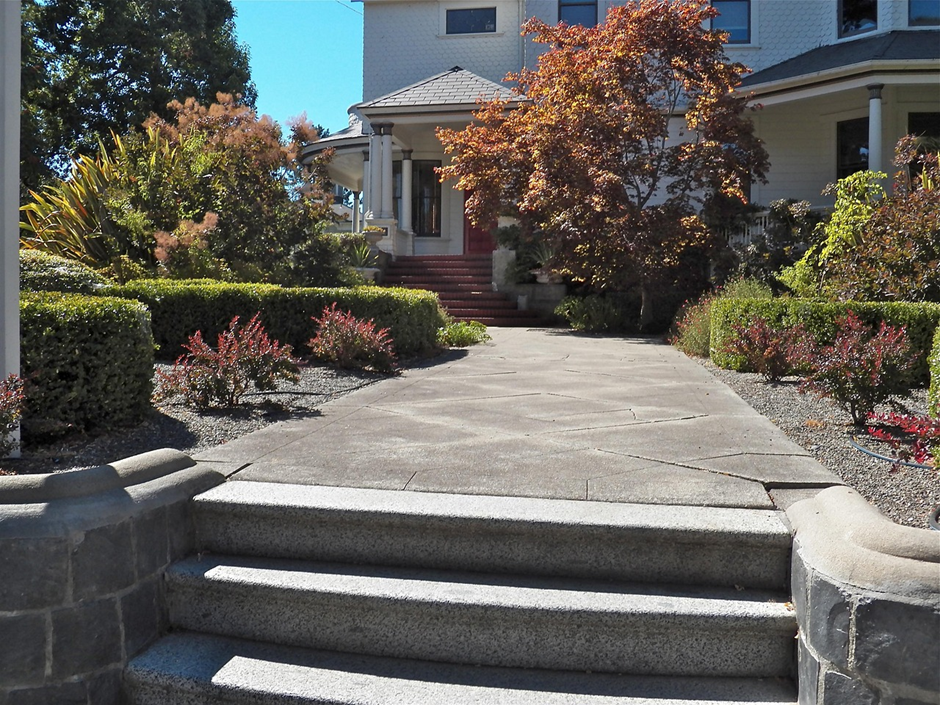
Strong structural elements are the foundation of any timeless outdoor design. Features like stone pathways, retaining walls, pergolas, and garden borders provide visual interest even when plants are dormant. These elements help define spaces, guide movement, and create cohesion regardless of seasonal changes. Hardscape features also anchor the landscape, ensuring it never looks empty during colder months.
Choosing Plants with Multi-Season Appeal
Selecting plants that offer beauty beyond a single season is key to maintaining visual continuity. Look for varieties that showcase changing foliage, textured bark, or winter interest. Mixing evergreen with flowering and deciduous plants ensures depth and contrast year-round. They should include:
- Evergreen shrubs and trees for consistent color
- Perennials with staggered bloom cycles
- Ornamental grasses that add movement and texture
- Plants with barriers or seed heads for colder months
This layered approach prevents your garden from feeling flat or bare when seasons shift.
Designing Functional Outdoor Living Areas
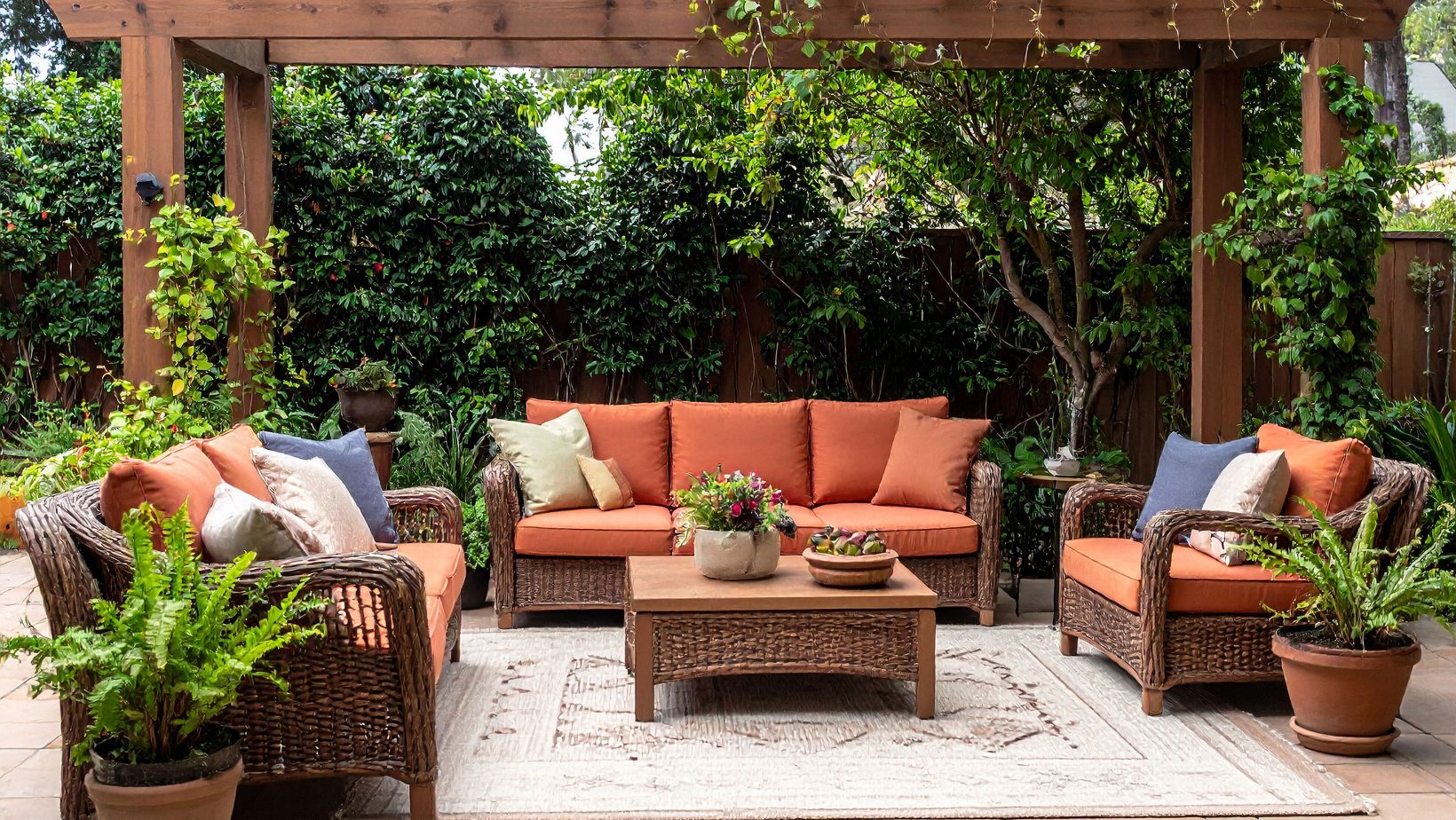
Outdoor spaces should be just as usable as they are attractive. Designing areas that support relaxation, entertainment, or quiet reflection encourages year-round enjoyment. Weather-conscious planning helps extend usability even when conditions aren’t ideal. An ideal functional outdoor living area should have:
- Covered seating areas for sun and rain protection
- Durable outdoor furniture built to withstand temperature changes
- Fire features or heaters for cooler evenings
- Strategic layouts that reduce exposure to wind
When functionality is prioritized, outdoor spaces remain inviting regardless of the forecast.
Using Durable Materials for Longevity
Material selection plays a major role in maintaining beauty over time. Surfaces exposed to moisture, sun, and temperature shifts must be resilient. Quality stone, concrete, and treated wood help prevent cracking, fading, and erosion.
Many homeowners turn to professionals such as allweather landscape for guidance on selecting materials that balance aesthetics with long-term performance, ensuring outdoor spaces remain visually consistent year after year.
Lighting to Enhance Seasonal Ambiance
Outdoor lighting adds safety and atmosphere, especially during shorter days. Proper lighting highlights architectural details, pathways, and focal points while creating a welcoming glow. Outdoor lighting includes:
- Path lights to improve navigation
- Accent lighting for trees and garden features
- Soft ambient lighting for seating areas
Well-placed lighting ensures outdoor spaces remain functional and visually engaging even after sunset.
Planning with Maintenance in Mind
A landscape that looks good in every season should also be manageable. Thoughtful planning reduces the need for constant upkeep by incorporating native plants, efficient irrigation, and durable materials. Smart maintenance choices help preserve the design’s integrity without overwhelming homeowners.
Endnote
Designing outdoor spaces that remain beautiful throughout the year requires a balance of structure, plant selection, functionality, and material durability. When each element is thoughtfully considered, the result is a cohesive landscape that evolves gracefully with the seasons. This provides lasting beauty, comfort, and enjoyment no matter the time of year.