

How Stone Pathways Can Transform Gardens
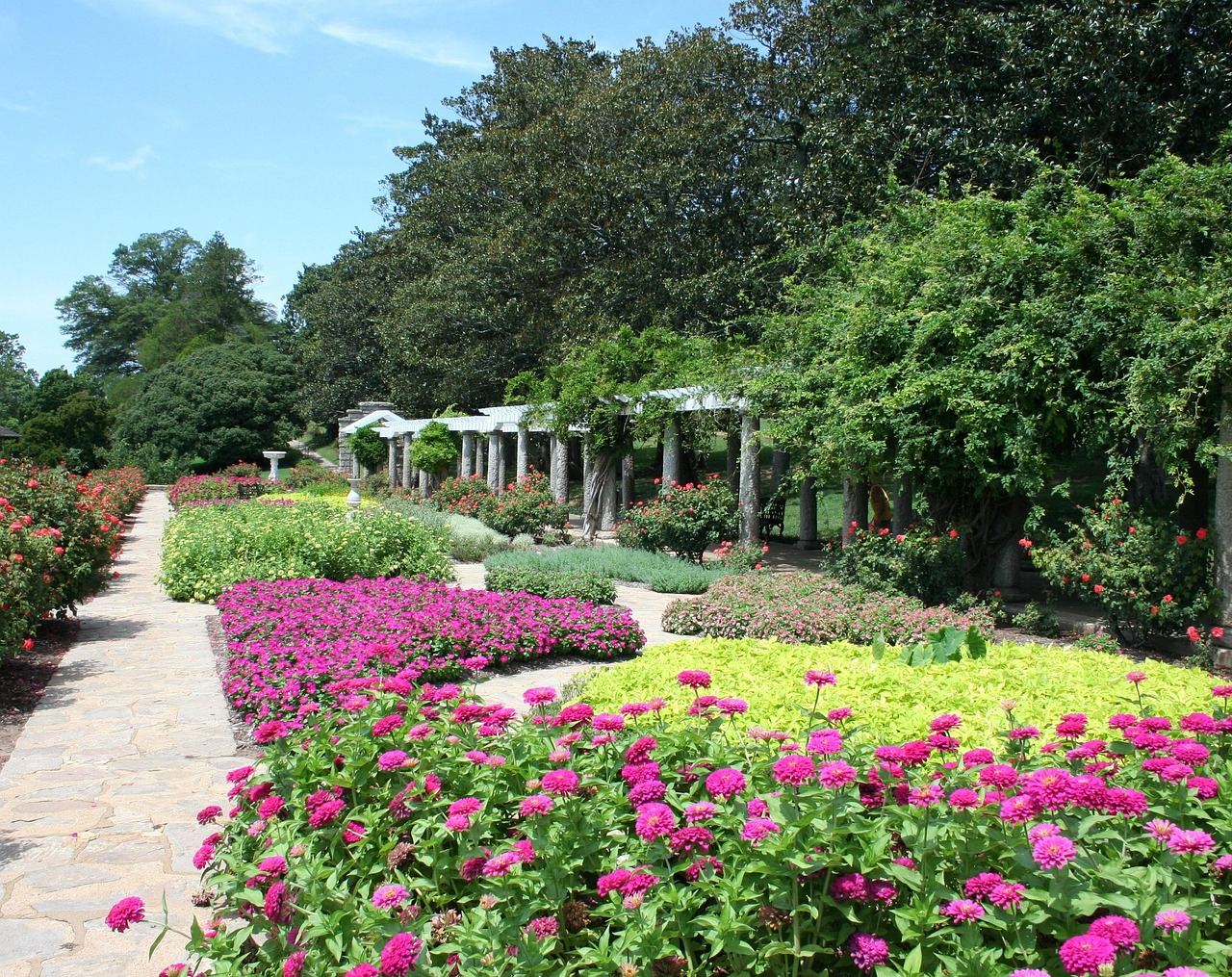
A garden can be beautiful and still feel unfinished. That’s usually where the pathway problem shows up. Without a clear route, visitors hesitate, grass wears thin, and the space feels more like a collection of plants than a place to linger. Stone pathways quietly solve all this. They guide movement, protect soil, manage water, and bring a sense of intention that ties everything together.
Stone as a Garden Language
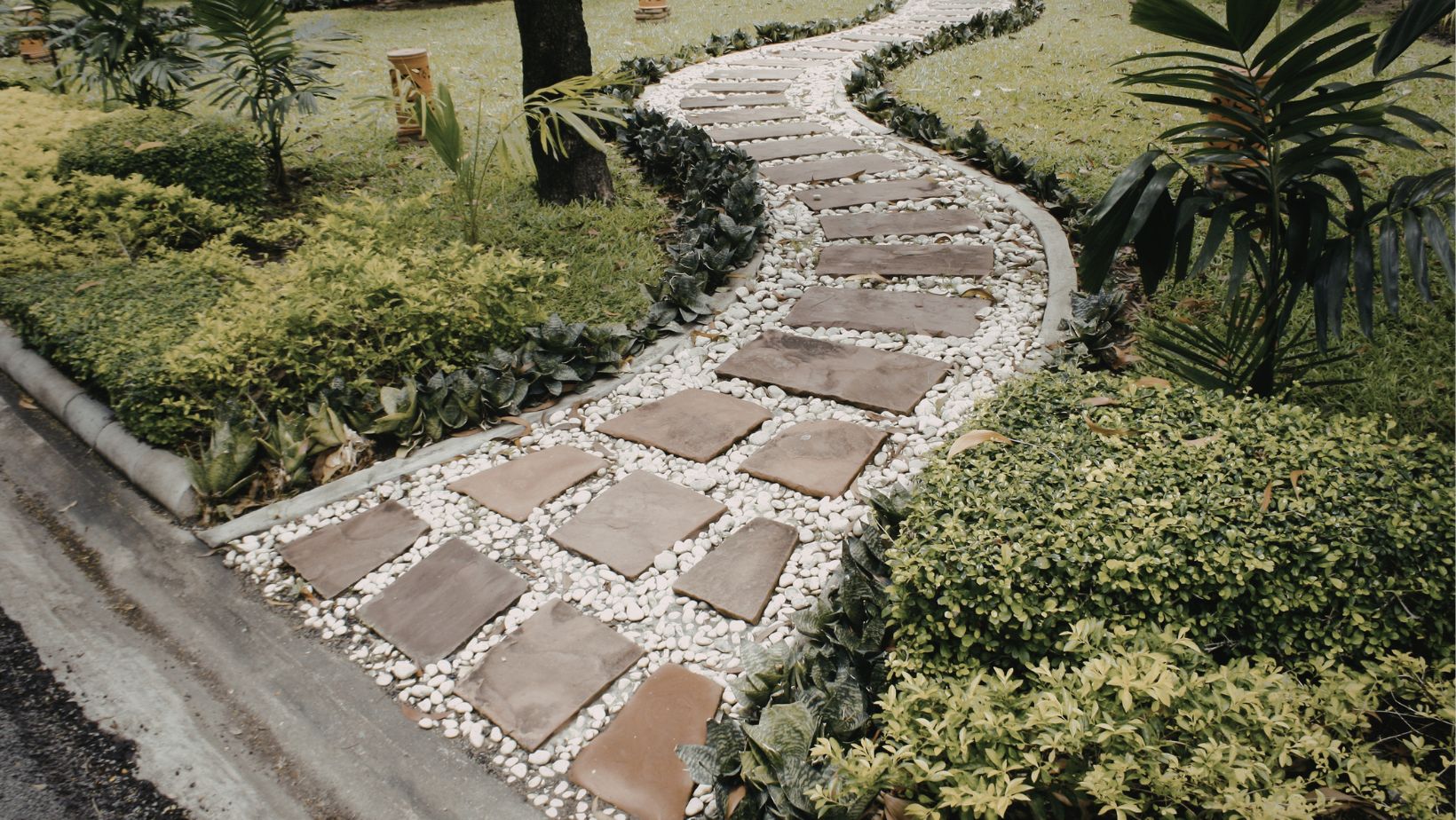
Stone pathways speak the same language as the garden itself. Flagstone, slate, limestone, and granite all carry different moods. rough-cut stone feels grounded and old-world, perfect for cottage-style borders and climbing roses. Smoother stone leans formal, working well in symmetrical layouts or herb gardens with clipped edges. What matters most is how the stone relates to its surroundings. When the color echoes nearby walls, planters, or natural outcrops, the path feels like it belongs there.
Drainage
A good stone pathway often reveals what happens underneath. Poor drainage turns paths into puddles, shifts stones over time, and invites weeds. Well-designed stone paths, on the other hand, actively manage water. Proper base layers of compacted gravel and sand allow rain to pass through instead of pooling. Slight spacing between stones lets water soak into the soil, feeding nearby plants rather than running off. In gardens where moisture balance matters, this kind of drainage can improve plant health while keeping the path usable year-round.
Guiding Movement
Paths decide how a garden is experienced. A straight stone walkway feels purposeful, leading you directly to a focal point like a bench or fountain. A gently winding path slows the pace, encouraging wandering and discovery. Stone is especially effective here, as it naturally draws the eye. Subtle changes in stone size or pattern can signal transitions between garden rooms. You don’t need signs or fences. The path does the directing, quietly and elegantly.
Underfoot Texture Changes How a Garden Feels
Texture matters more than most people realize. Walking barefoot on warm soil feels different than stepping on gravel or grass. Irregular stones create a sensory experience that makes visitors more aware of their surroundings. From a practical standpoint, texture also improves safety. In gardens designed for daily use, those details make a real difference, especially around patios and kitchen gardens.
Blending Craftsmanship With Natural Flow
The best stone pathways look effortless. Skilled stonework balances precision with natural variation. Stones are set securely, yet they appear to have settled there on their own over time. You see this approach in projects by teams like Terra Forma Landscaping, where pathways follow the land’s contour instead of fighting it. That level of craftsmanship simply works season after season.
Longevity
Unlike wood or poured concrete, stone pathways age gracefully. Moss softens edges, color deepens, and minor imperfections add character rather than detract from it. In a garden setting, this aging process is a feature, not a fall, for cottage-style gardens especially, a slightly weathered path feels authentic. It suggests history and continuity, even in newer landscapes. Over time, the pathways become part of the garden’s identity, not something that needs constant replacing or fixing.
Endnote
Stone pathways transform gardens by managing water, protecting plants, shaping movement, and setting the emotional tone of the space. When thoughtfully designed, they transform a garden into a place that feels intentional and lived-in.