

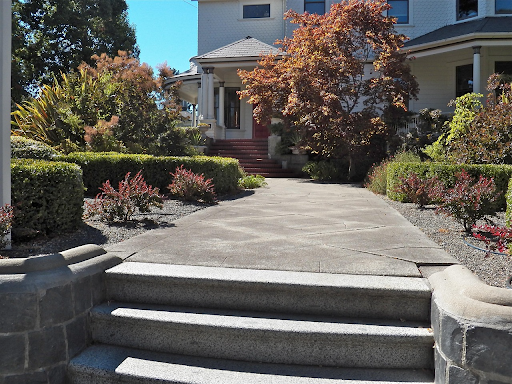
Layered Landscaping: How to Use Heights and Depth for a Designer Look
A well-designed landscape is more than space occupying. It directs the eye, regulates the speed of a garden stroll, and makes a yard feel intentional. Layered landscaping is effective as it creates a scene with structure, rhythm and contrast instead of placing tall plants behind short ones.
Think of outdoor spaces as a sequence of events. A tall shrub creates a backdrop, a lower border blunts edges, while mid-height plantings tie up the two. The garden becomes more profound and refined when these layers are properly organized. It also feels dynamic, because the view changes as you move through it.
Start With the Bones of the Garden
Consider the fixed elements before selecting flowers. A yard is determined by fences, walls, patios, and walkways. These characteristics form the structure on which the planting must be established. A strong landscape design uses that framework instead of fighting it.
Stone pathways are especially useful. They do more than connect one area to another—they give the eye a line to follow. They break up open space and create direction. A path also makes nearby plants feel fuller and more deliberate. In a smaller yard, every detail counts.
Use Height to Create Depth
The simplest method of creating depth is through height, but it must be done sparingly. Tall features anchor a space instead of dominating it. Vertical interest is produced by trees, ornamental grass, and upright shrubs that shape the landscape.
Shorter plants should not be used as filler. Hard edges are softened with ground covers, edging plants, and low perennials that balance the composition. If everything is the same height, the result looks flat. When each level has a clear purpose, the landscape feels designed.

Texture Matters as Much as Plant Choice
Many gardens rely too heavily on color. Texture gives a landscape lasting appeal. Place fine leaves beside broad leaves, soft movement beside rigid shapes, and dense growth beside open forms. These contrasts make the garden richer even when blooms are limited. Mulching vegetable garden beds contributes to this effect. Mulch assists in:
- Moisture retention
- Weed control
- Aesthetic completion of the garden
A tidy layer of mulch neatly frames vegetables while balancing the more formal forms of beds and stakes.
Create Repetition Without Repeating Yourself
A strong landscape does not need constant variety. In fact, too many different plants can make the design feel scattered. Repetition creates unity. A plant used once becomes a detail. Used several times, it becomes part of the garden’s language.
That does not mean every section should look identical. It means certain heights, shapes, or materials should appear more than once. A row of grasses near a path, a repeated shrub near the house, or a recurring stone edge can tie the whole yard together. John Madison Landscape Inc. and other experienced designers often use this principle to make outdoor spaces feel calm instead of crowded.
Endnote
A thoughtful landscape does not need to be complicated. It needs to be composed well. When height, depth, and structure work together, your landscape stops feeling like a collection of plants and starts functioning as a cohesive design. The layers work together to create a garden that feels larger, polished, and inviting.